Jarvis — Voice Second Brain
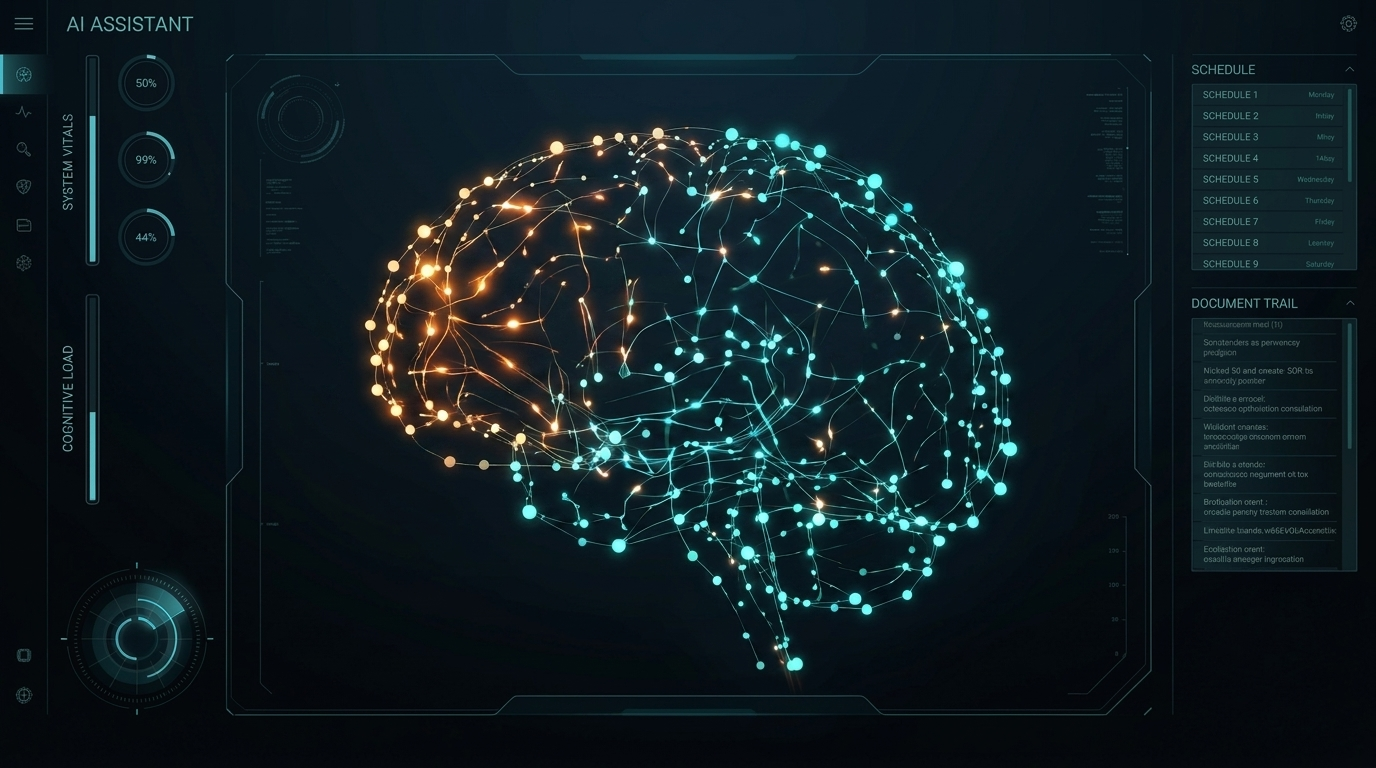
Talk to your notes out loud. Answers come back spoken in a cloned voice while a 3D knowledge galaxy flies to the source note and lights it up — and an agent layer turns words into actions, with a human confirm step before anything is sent.
The idea
Notes are where knowledge goes to be forgotten. A vault of hundreds of markdown files is only useful if you can interrogate it as fast as you can think — so Jarvis makes the whole vault conversational. Ask a question out loud; the answer is grounded in your own notes, spoken back, and the 3D galaxy flies to the exact note it came from, so you always see where an answer lives.
It's the same trust principle as my production tools: show your sources, keep the human in the loop. When the agent layer drafts an email or an action, nothing leaves the machine until you say "do it".
What it does
Grounded voice Q&A
"What is X? How does Y work?" — answered from the vault with conversational memory for follow-ups, and cross-note synthesis that lights up whole clusters of related notes.
Speak, and it's written
"Remember that…" writes a real markdown note and grows the graph live. "Add to my X note…" appends. The vault stays plain files — no lock-in, ever.
Briefings & tasks
A spoken morning briefing of open tasks and recent captures — on request, or proactively on a schedule. Reminders and task lists, all by voice.
Agent hands, human veto
An agentic mode runs Claude Code with connected tools — check the calendar, draft an email, research the web. Every outbound action is drafted first and requires an explicit "do it".
Under the hood
A local Python server orchestrates Claude for reasoning over the vault, Web Speech for hands-free wake-word input, ElevenLabs for the cloned voice, and a 3D force-graph galaxy generated from the vault's link structure. The agent layer shells out to Claude Code with scoped tools — a personal testbed for the same agentic patterns I use in production tooling.